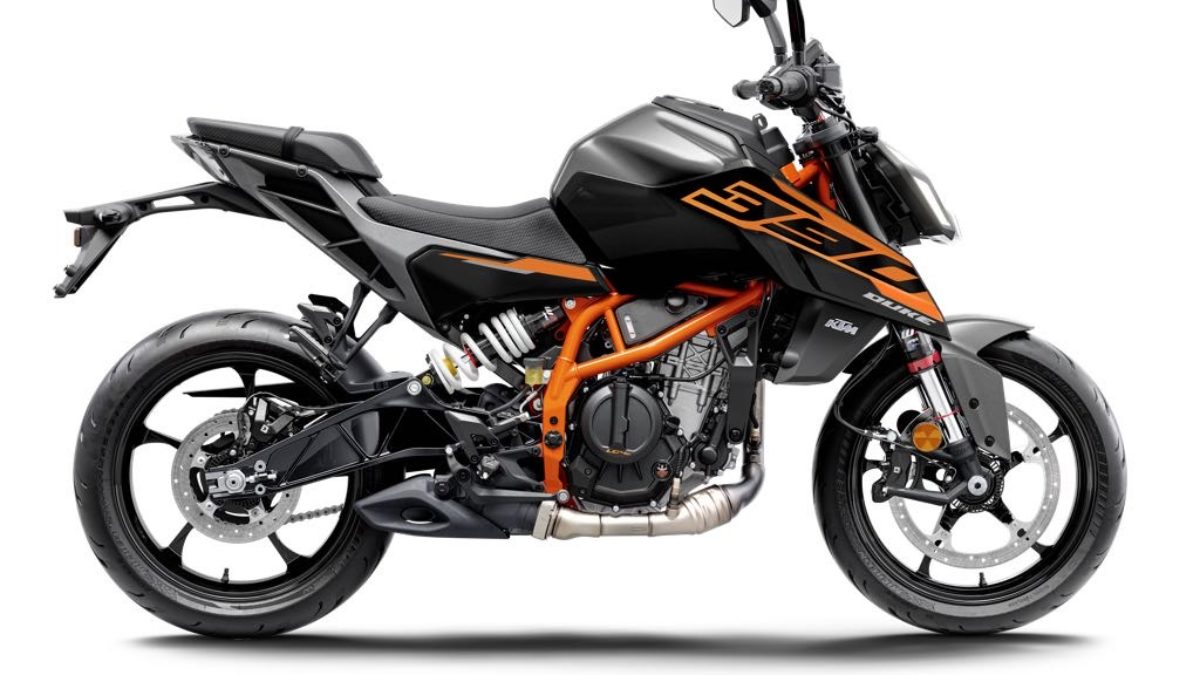
This strategic move likely stems from the immense brand equity that the 390 Duke and 390 Adventure have built across India over the years. Both motorcycles have carved a niche for themselves by delivering genuine performance and touring capability at a price point that remains accessible to enthusiasts.
The 390 Duke, in particular, has long been regarded as an entry point into “real speed” for many Indian riders. Its sharp power delivery, aggressive styling and thrilling dynamics have made it a benchmark in the sub-500cc performance segment. Similarly, the 390 Adventure opened doors for riders looking to explore long-distance touring and light off-road travel without stretching their budgets excessively.
Given this strong positioning, it makes sense for Bajaj to offer both the existing and the newer downsized versions simultaneously. The target audience for these motorcycles often prioritises performance and capability, and many would be willing to pay a premium for the added power and equipment rather than compromise for a smaller-capacity alternative.
Moreover, the current-spec 390 Duke and 390 Adventure will continue to be produced for export markets. As a result, production lines remain operational, making it commercially viable for Bajaj to retain these models in its domestic portfolio as well.
In essence, this dual-offering strategy allows Bajaj to:
Cater to performance-focused enthusiasts
Attract new buyers with more accessible options
Maintain export continuity
Strengthen its foothold in the premium sub-500cc segment
By keeping both versions alive, Bajaj ensures it doesn’t alienate its core audience while simultaneously broadening its customer base.