Tesla may no longer be the only serious player in the electric vehicle space, but it remains the brand most closely associated with long-range EVs and everyday electric usability. While Tesla models don’t always top their respective segments, several of them continue to make strong cases in the used-car market—especially for buyers shopping below the $35,000 mark.

Some EV shoppers will only consider a Tesla, while others actively avoid the brand altogether. At Auto Drive, we’re not here to debate brand loyalty or ideology. Instead, our goal is simple: help you make a smarter buying decision.
If you’re looking for a used electric vehicle priced under $35,000, with under 60,000 miles, a clean title, and a verified service history, the following Tesla models are worth serious consideration.
2012–2021 Tesla Model S

Best for: Long-range luxury EV buyers
Even the earliest Tesla Model S models remain compelling in today’s used EV market. A well-maintained example—especially one with a replaced or updated battery pack or drive unit—can deliver impressive performance and range at a surprisingly affordable price.
Later versions of the Model S, particularly those from 2020–2021, still feel modern thanks to their strong acceleration, long driving range, and minimalist cabin design. However, some newer interior control changes—such as touch-based or steering-wheel-mounted functions—may not appeal to drivers who prefer traditional physical controls.
It’s also worth noting that the short-lived 40-kWh Model S (offered briefly in 2013) delivers limited range and represents a very small portion of the used market. Most other Model S variants from this era offer 200 miles or more of EPA-estimated range.
Auto Drive pick:
If budget allows, look for a 2021 Model S Long Range Plus. With an EPA-estimated range of up to 402 miles, it remains one of the longest-range EVs ever sold—and many examples may still carry some remaining powertrain warranty.
2024–Present Tesla Model 3

Best for: Drivers seeking efficiency and modern updates
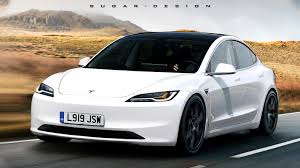
The Tesla Model 3 has long been one of the most well-rounded electric sedans on the market, but the 2024 refresh significantly raised the bar. Improvements to interior materials, ride quality, noise insulation, and overall refinement make newer Model 3s far more desirable than earlier versions.
While Model 3s built between 2017 and 2023 still offer solid range and interior space, the updated models feel noticeably more premium and comfortable. This is especially true for the Long Range variants, which combine efficiency with strong real-world driving performance.
One compromise is the continued use of steering-wheel-mounted buttons for turn signals and other controls—a design choice that won’t appeal to everyone. Still, the overall upgrade is substantial enough that most buyers will be willing to live with it.
Keep in mind:
Low-mileage Performance trims typically exceed the $35,000 budget. Buyers who want traditional stalk controls may need to stretch their budget toward a newer model year.
2020–2025 Tesla Model Y

Best for: Buyers who need space and practicality
If the Model 3 feels too compact, the Tesla Model Y offers a more versatile alternative. With increased cargo capacity, a higher driving position, and optional third-row seating, it appeals to families and lifestyle-focused buyers looking to go electric.
The most recent updates (introduced for the 2026 model year) significantly improve ride comfort, interior quality, and driving dynamics—but examples at or below $35,000 are still rare. That means most shoppers will be looking at 2020–2025 Model Y variants.
Earlier Model Ys don’t match the ride quality or handling polish of newer versions, but they still offer a user-friendly infotainment system, strong range figures, and a spacious cabin that works well for everyday use.
Used EV Buying Tips: What to Check Before You Buy

Get a Pre-Purchase Inspection
A professional pre-purchase inspection (PPI) is one of the smartest investments you can make. A qualified mechanic can spot hidden issues that aren’t obvious during a test drive.
Check the Vehicle History
Always review a detailed vehicle history report to confirm mileage accuracy, accident records, and ownership details.
Inspect for Undercarriage and Body Wear
Check for rust, underbody damage, and wheel well corrosion—especially on vehicles driven in harsh climates.
Verify Battery Health
Battery condition is critical when buying a used EV. Services like Recurrent can provide battery health insights that help you understand long-term value and remaining range potential.
Understand Battery Warranty Coverage
Most EVs come with an eight-year battery warranty. Buying a vehicle with remaining warranty coverage reduces risk, though many EV batteries last well beyond the warranty period.
Run a Full Diagnostic Scan
A diagnostic scan can reveal issues with battery systems, software modules, and electronic components that might not trigger warning lights.
Assess Interior Wear Carefully
Excessive wear—such as torn upholstery, broken vents, or damaged trim—can be a sign of poor overall maintenance. Vehicles that show neglect inside may have been treated similarly mechanically.
Final Verdict
Buying a used Tesla under $35,000 can still make sense in 2026—provided you choose carefully. The Model S offers long-range luxury value, the updated Model 3 delivers the best balance of efficiency and refinement, and the Model Y provides everyday practicality for growing needs.
As with any used EV purchase, condition matters more than badge. Do your homework, inspect thoroughly, and prioritize battery health—and you’ll be far more likely to end up with an electric vehicle that delivers real long-term value.